Introduction
In remote locations where access to the main power grid is limited or non-existent, the need for reliable and continuous power supply is crucial for various applications such as mining operations, telecommunications, construction sites, and emergency response efforts. Diesel generators have long been the go-to solution for providing electricity in these off-grid areas due to their robustness, efficiency, and ability to operate continuously for extended periods. This article delves into the role of diesel generators in remote power supply, exploring their key features, benefits, applications, and considerations for optimal performance.
Key Features of Diesel Generators
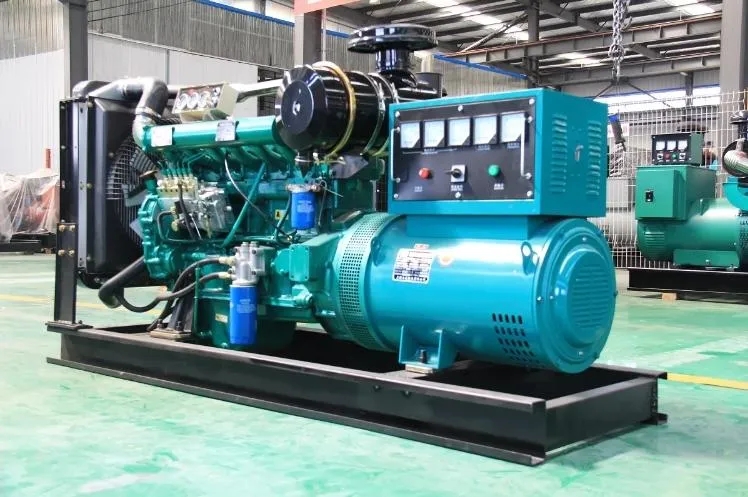
Diesel generators are versatile power generation systems that consist of a diesel engine and an alternator. The diesel engine drives the alternator, which converts mechanical energy into electrical energy. These generators come in a wide range of sizes and power capacities to meet the specific requirements of different applications. Some of the key features of diesel generators that make them well-suited for remote power supply include:
1. Robustness: Diesel generators are known for their rugged construction and durability, making them suitable for harsh operating conditions in remote areas. They can withstand extreme temperatures, humidity, and dust, ensuring reliable operation in challenging environments.
2. Fuel Efficiency: Diesel engines are more fuel-efficient than gasoline engines, providing cost-effective power generation over extended periods. This efficiency is crucial in remote locations where refueling may be difficult or infrequent.
3. Reliability: Diesel generators are highly reliable and can operate continuously for days or even weeks without interruption. This reliability is essential for critical applications that require uninterrupted power supply.
4. Power Output: Diesel generators are available in a wide range of power outputs, from a few kilowatts to several megawatts, allowing them to meet the diverse energy needs of remote locations, from small villages to large industrial sites.
5. Easy Maintenance: Diesel generators are relatively easy to maintain, with routine servicing and basic checks ensuring optimal performance. This ease of maintenance is beneficial in remote areas where access to professional technicians may be limited.
Benefits of Diesel Generators for Remote Power Supply
The use of diesel generators for remote power supply offers numerous benefits that make them a preferred choice for off-grid applications. Some of the key advantages of diesel generators include:
1. Independence from the Grid: Diesel generators provide a self-contained power source, eliminating the reliance on the main power grid in remote locations. This independence is crucial for ensuring continuous power supply in areas where grid connectivity is unreliable or unavailable.
2. Rapid Deployment: Diesel generators can be quickly deployed and set up in remote locations, providing immediate power supply for emergency situations or temporary operations. Their portability and ease of installation make them ideal for rapid response efforts.
3. Cost-Effectiveness: Diesel fuel is readily available and more affordable than other fuel sources, making diesel generators a cost-effective solution for long-term power generation in remote areas. Their fuel efficiency also contributes to cost savings over time.
4. Versatility: Diesel generators can power a wide range of equipment and machinery, making them versatile for various applications in remote locations, such as lighting, pumping, refrigeration, and communication systems. Their ability to handle varying loads makes them adaptable to changing power requirements.
5. Environmental Considerations: While diesel generators produce emissions, modern models are designed to meet stringent environmental regulations and emissions standards. When properly maintained and operated, diesel generators can be a relatively clean and efficient power generation option for remote areas.
Applications of Diesel Generators in Remote Power Supply
The versatility and reliability of diesel generators make them suitable for a wide range of applications in remote power supply. Some common applications where diesel generators are used include:
1. Mining Operations: Mining sites located in remote areas often rely on diesel generators to power heavy machinery, lighting systems, ventilation systems, and other essential equipment. The continuous and reliable power supply provided by diesel generators is vital for maintaining productivity and safety at mining sites.
2. Telecommunications: Remote communication towers, satellite stations, and data centers require uninterrupted power supply to ensure seamless connectivity. Diesel generators serve as backup power sources for these critical infrastructure facilities, providing reliable energy during grid outages or emergencies.
3. Construction Sites: Construction projects in remote locations often require temporary power supply for tools, lighting, and equipment. Diesel generators are commonly used to provide on-site power during construction activities, enabling efficient and productive operations.
4. Rural Electrification: Diesel generators play a significant role in bringing electricity to rural and remote communities that lack access to the main power grid. These generators can power essential services such as schools, healthcare facilities, and small businesses, improving the quality of life for residents in underserved areas.
5. Emergency Response: During natural disasters, emergencies, or humanitarian crises, diesel generators are deployed to provide emergency power supply for hospitals, relief centers, and rescue operations. The reliability and rapid deployment capabilities of diesel generators are crucial for supporting critical services in challenging situations.
Considerations for Optimal Performance of Diesel Generators
While diesel generators offer numerous benefits for remote power supply, several considerations should be taken into account to ensure optimal performance and reliability:
1. Fuel Quality: The quality of diesel fuel used in generators can significantly impact their performance and longevity. It is essential to use clean, high-quality diesel fuel and adhere to proper storage and handling practices to prevent fuel contamination and engine issues.
2. Maintenance: Regular maintenance is key to keeping diesel generators in optimal condition. Scheduled servicing, inspections, and testing of key components such as filters, fluids, and batteries are essential for preventing breakdowns and ensuring consistent performance.
3. Load Management: Proper load management is critical for maximizing the efficiency and lifespan of diesel generators. Avoiding overloading or underloading the generator and maintaining a balanced load profile help optimize fuel consumption and reduce wear and tear on the equipment.
4. Cooling and Ventilation: Diesel generators produce heat during operation, requiring adequate cooling and ventilation to prevent overheating and ensure optimal performance. Proper airflow around the generator set and regular cleaning of cooling systems are essential for efficient heat dissipation.
5. Noise and Emissions: Diesel generators can generate noise and emissions during operation, which may be a concern in certain remote areas. Selecting quiet and low-emission models, implementing soundproofing measures, and complying with environmental regulations help mitigate these issues.
Conclusion
Diesel generators play a vital role in providing reliable and continuous power supply in remote locations where grid connectivity is limited or non-existent. Their robustness, efficiency, versatility, and ease of maintenance make them well-suited for a wide range of applications, from mining operations to emergency response efforts. By understanding 75kw diesel generator for mining operations , benefits, applications, and considerations for optimal performance of diesel generators, stakeholders can make informed decisions on utilizing these power generation systems for remote power supply needs. As technology continues to advance, diesel generators are likely to remain a critical component of off-grid energy solutions, supporting essential services and infrastructure in remote areas around the world.